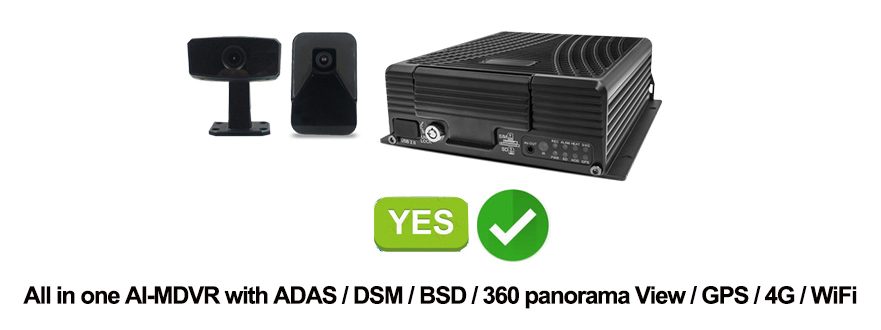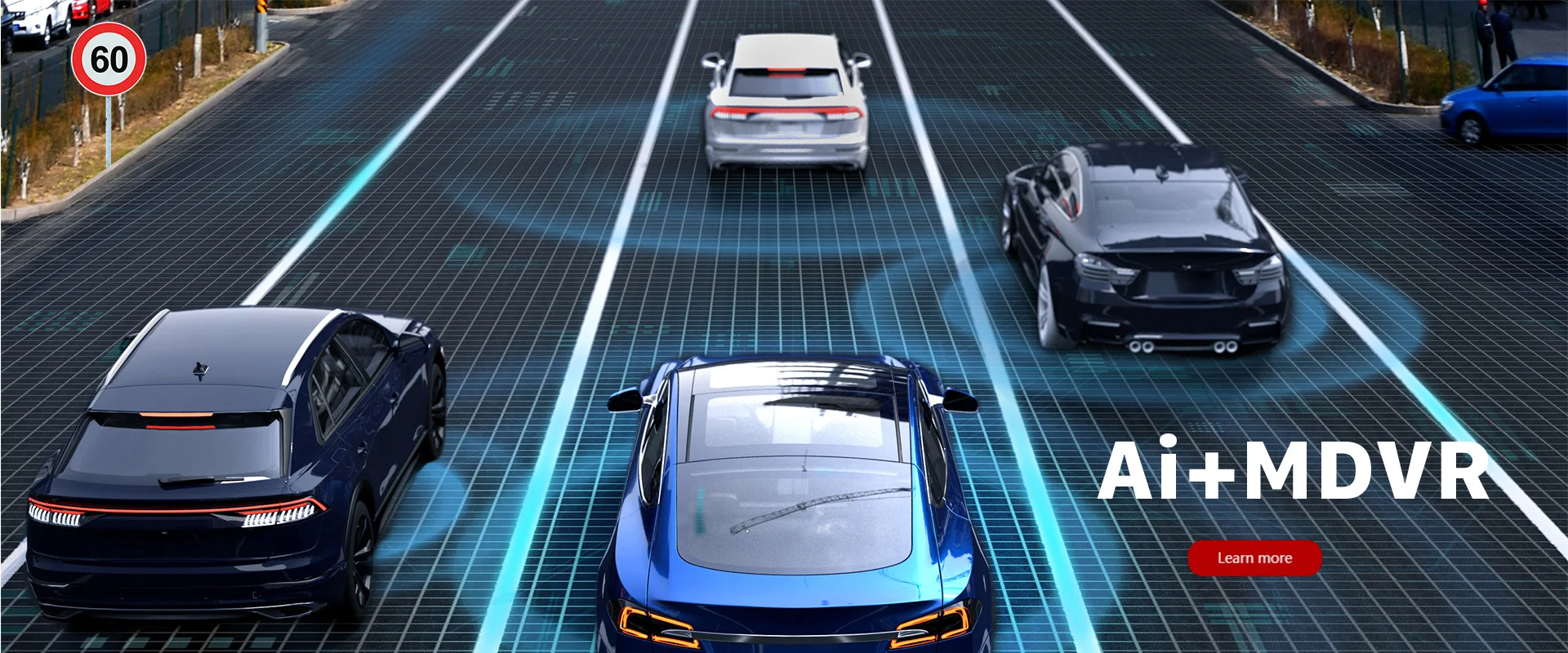
Lane Departure Warning (LDW) is a key feature in modern vehicle safety systems, designed to reduce accidents caused by unintended lane drifting. As part of Advanced Driver Assistance Systems (ADAS), it enhances driver awareness and helps prevent collisions before they happen.

Lane Departure Warning (LDW)
What Is Lane Departure Warning (LDW)?
Lane Departure Warning is a technology that monitors a vehicle’s position within its lane and alerts the driver when the vehicle begins to move out of the lane without signaling.
Instead of taking control of the vehicle, LDW focuses on early warning, giving drivers time to correct their steering and stay safely within lane boundaries.
How Lane Departure Warning Works
LDW systems rely on cameras or sensors mounted on the vehicle—typically near the windshield—to track lane markings on the road.
When the system detects that the vehicle is drifting across lane lines without a turn signal, it triggers alerts such as:
- Visual warnings on the dashboard
- Audible alerts (beeps or alarms)
- Steering wheel or seat vibrations
These alerts are designed to quickly grab the driver’s attention and prompt immediate corrective action.
Why Lane Departure Warning Matters
Unintentional lane drifting is a major cause of road accidents, often linked to fatigue, distraction, or momentary inattention. LDW helps reduce these risks by acting as an additional layer of awareness.
Key benefits include:
- Improving driver focus during long trips
- Reducing accidents caused by drowsy driving
- Enhancing overall road safety
- Supporting compliance with modern vehicle safety standards
LDW vs Lane Keeping Assist: What’s the Difference?
It’s important not to confuse LDW with Lane Keeping Assist (LKA).
- LDW: Warns the driver only
- LKA: Actively intervenes by steering the vehicle back into the lane
LDW is considered a passive safety feature, while LKA provides active assistance.
Limitations of Lane Departure Warning
Although LDW improves safety, it is not a fully autonomous system and has certain limitations:
- Reduced performance in rain, fog, or low visibility
- Difficulty detecting faded or unclear lane markings
- Possible false alerts in complex road conditions
Because of these factors, LDW should always be used as a support tool—not a replacement for attentive driving.
The Role of LDW in Modern Fleet & Vehicle Safety
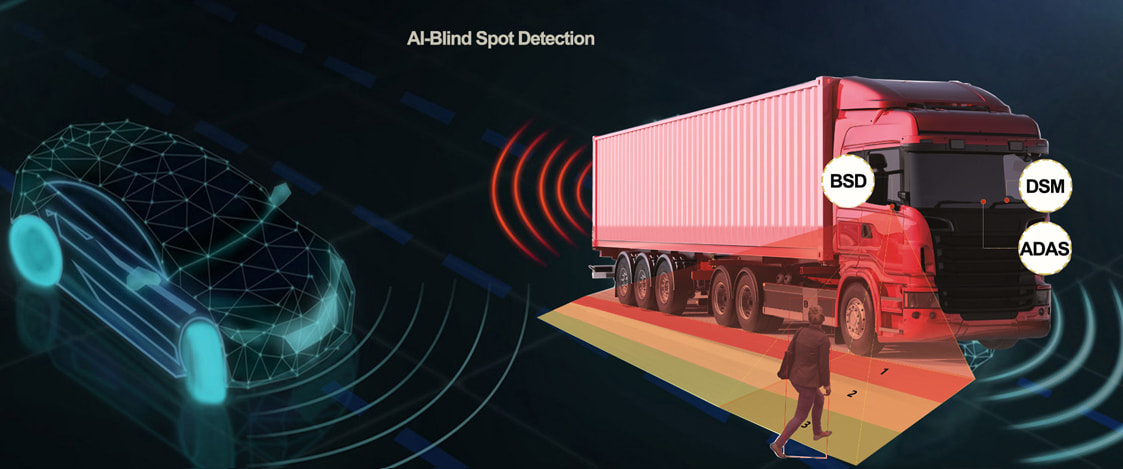
With the rapid adoption of telematics and AI-powered monitoring systems, LDW has become a standard feature in commercial fleets, buses, and logistics vehicles.
When integrated with other ADAS technologies—such as forward collision warning and driver monitoring systems—LDW contributes to a comprehensive safety ecosystem that protects both drivers and passengers.
Conclusion
Lane Departure Warning is a simple yet powerful safety feature that helps prevent accidents caused by unintended lane drifting. By providing timely alerts, it enhances driver awareness and reduces risk on the road.
While not perfect, LDW represents a critical step toward smarter, safer, and more connected driving.